A proper Phoenix termite inspection involves a visual examination of your property's interior, exterior, and foundation to detect any termite evidence and structural damage. First Inspection Termite & Pest provides these thorough evaluations, identifying early warning signs of subterranean and drywood termites before they compromise your home's structural integrity.
Table of contents
- What happens during a professional termite inspection Phoenix homeowners schedule?
- What is an Arizona WDIIR report for real estate transactions?
- How do you identify subterranean versus drywood termite activity?
- How much does a termite inspection Phoenix properties require cost?
- How do you choose a qualified termite inspector in the Phoenix metro area?
- Frequently asked questions
What happens during a professional termite inspection Phoenix homeowners schedule?
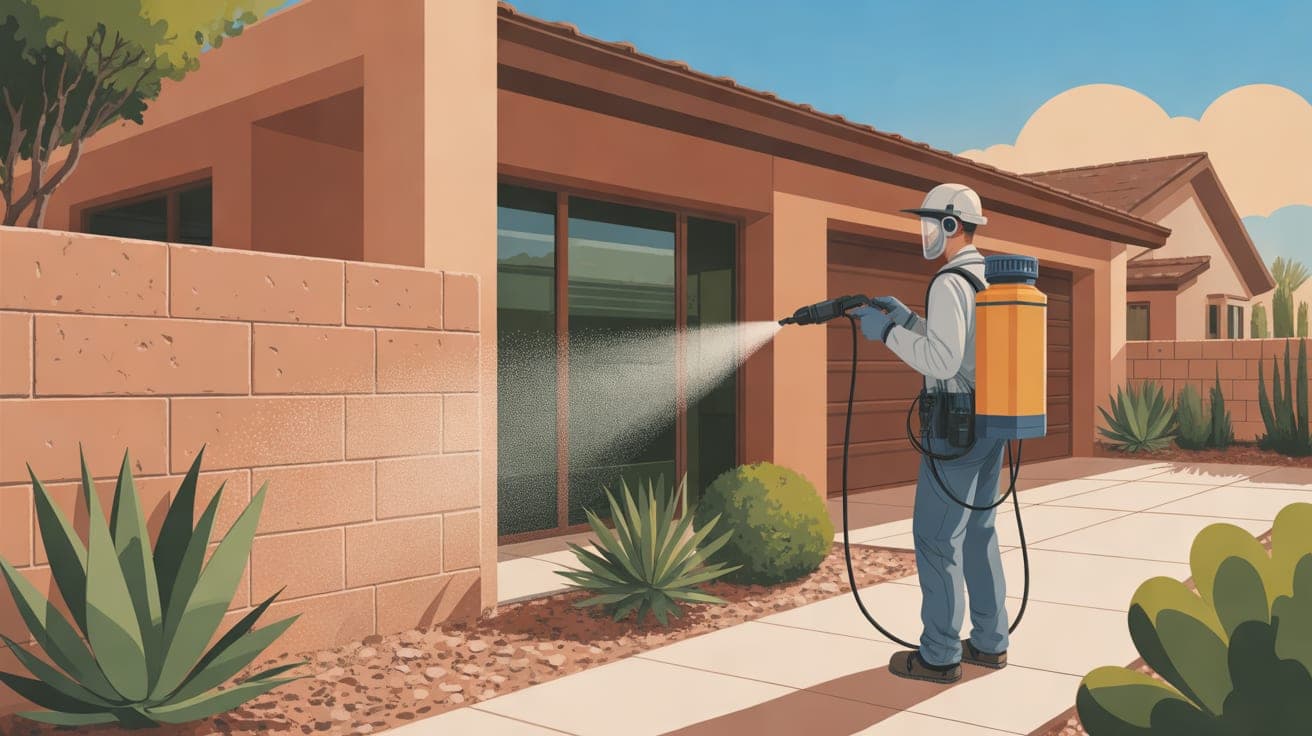
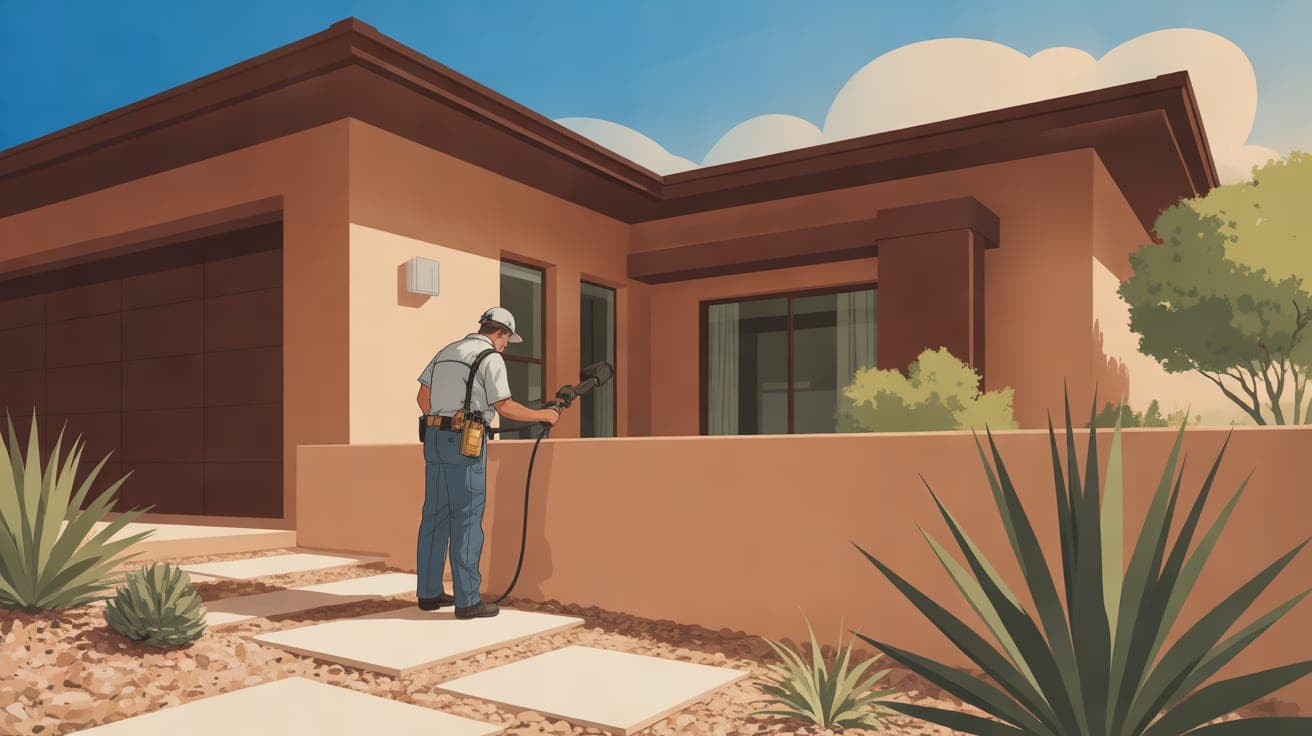
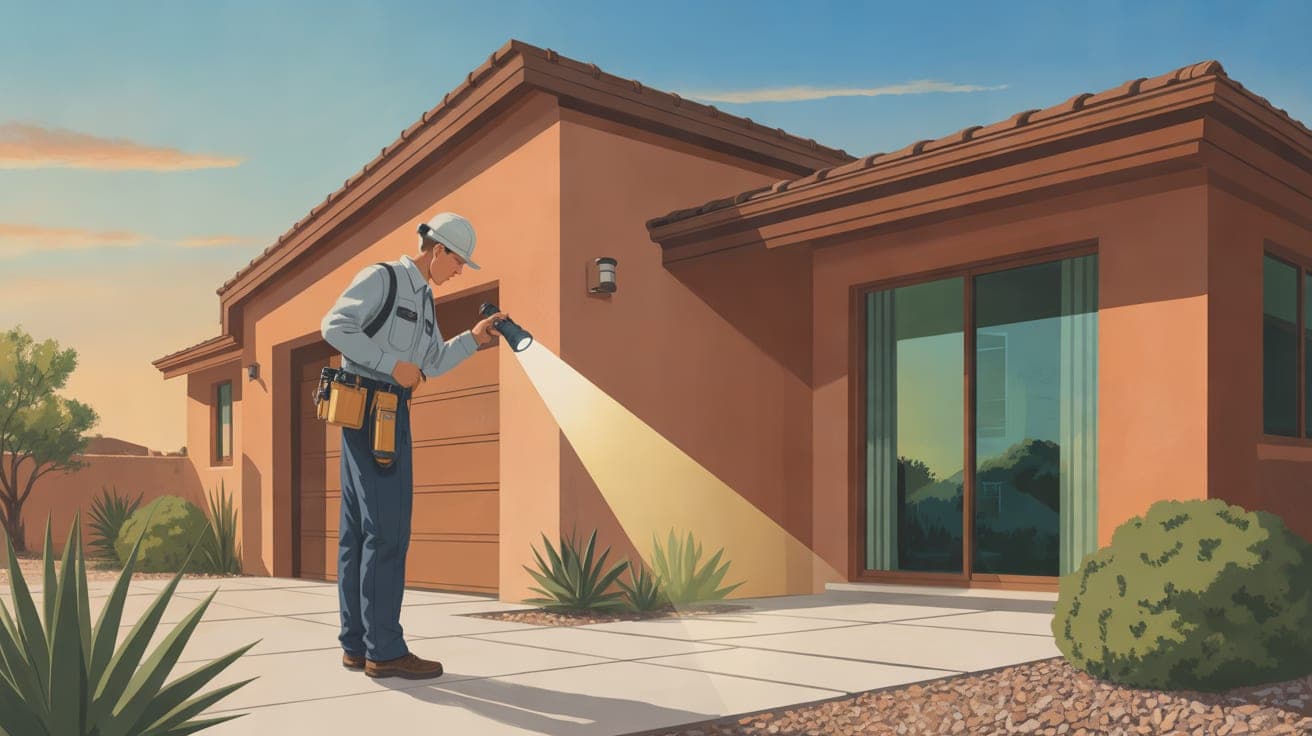
A professional termite inspection in Phoenix involves a licensed technician visually examining your exterior - foundation, stem walls and interior - all walls, under sinks and other plumbing penetrations, baseboards, etc. We are looking for mud tubes, exit ('Pin') holes, drywood frass and structural damage. The goal is to identify active infestations, locate previous damage, and pinpoint environmental conditions that invite termite activity.
Phoenix homes are predominantly built on concrete slabs, often using post-tension construction. Subterranean termites live in the soil and do not need direct access to exterior wood to invade your home. They can find cracks in your home's slab, control / cold joints and expansion joints (often found in garages) to exploit and enter your home. They only require a gap of ONLY 1/64th of an inch to enter your home. During an inspection, the technician focuses heavily on the stem wall at the base of your home. If anything such as soil or landscaping rock covers the stem wall, it creates a hidden bridge for termites to bypass the concrete foundation and enter the wall voids directly via mud tubes.
The inspector also examines the interior of your garage, paying close attention to the expansion joints cut in the concrete slab. These joints are common entry points for subterranean species. Inside the living areas, the technician visually inspects all walls, ceilings and baseboards. Sometimes if technicians will tap wood such as baseboards and walls listening for the hollow sound that indicates internal wood consumption. They also focus on rooms with plumbing protrusions such as kitchens, bathrooms and laundry rooms, since those rooms have drains protruding thru the slab which is a weakness in a home and are common areas to find termite evidence.
For comprehensive protection, First Inspection termite and pest technicians look beyond the immediate structure. By evaluating the property near the home looking for earth to wood contact such as dead tree stumps or stacked firewood against the home or poor drainage grading that holds moisture against the home. These conducive conditions can make a happy home for termites and support a termite colony before it ever reaches your foundation.
What is an Arizona WDIIR report for real estate transactions?
An Arizona WDIIR (Wood-Destroying Insect Inspection Report) is a legally binding document required during many real estate transactions that details any visible evidence of past or present termite activity on a property.
Definition: A WDIIR is an official, state-regulated form issued by the Arizona Department of Agriculture that documents the presence or absence of wood-destroying insects, detailing visible infestations, previous termite treatments, and specific environmental conditions conducive to future infestations.
If you are buying or selling a home in the Phoenix metro area lenders, particularly for VA and FHA loans, require a formal WDIIR report to ensure the property is structurally sound and free of active wood-destroying pests.
The report is broken down into specific sections. The inspector must note any visible evidence of active termites, past termite evidence, or termite-damaged wood. Crucially, the inspector must also document "conducive conditions." These include:
- earth-to-wood contact (such as a wooden fence post touching the house),
- faulty grading that directs water toward the foundation, or
- excessive moisture from leaking AC condensation lines.
If the inspector finds termite activity, the buyer's Realtor will often ask the seller to take care of the problem with a termite treatment. This is typically done by a licensed pest control company and usually required to be done before the sale can close.
How do you identify subterranean versus drywood termite activity?
You identify subterranean termites typically by the mud tubes they build at the base of your home on the stem wall. Conversely drywood termites do NOT build mud tubes but reveal themselves through small piles of hard, seed-like fecal pellets pushed out of infested wood.
Phoenix property owners face threats from two primary termite categories, and each requires a completely different treatment protocol. The Desert Subterranean termite (Heterotermes aureus) is the most common species in the Valley. They live in colonies deep underground (up to 20 feet deep) to escape the intense Arizona heat and build protective mud tubes to forage for cellulose above ground.
Drywood termites do not require contact with the soil. They extract all the moisture they need directly from the wood they consume and other moisture sources; that is why inspectors care about water stains and excessive moisture found in and around a home. Drywood termites swarm during the monsoon season, entering homes through attic vents, exposed eaves, or gaps in window framing, and establish their colonies entirely inside the structural timber.
| Inspection Criteria | Desert Subterranean Termites | Drywood Termites |
|---|---|---|
| Colony Location | Deep underground in the soil | Entirely inside structural wood or furniture |
| Moisture Source | Soil moisture and plumbing / roof leaks | Extracted directly from the consumed wood & plumbing / roof leaks |
| Primary Evidence | Pencil-sized mud tubes on foundations or walls | Piles of hard, fecal pellets (frass) that look like a football. |
| Damage Pattern | Eat along the wood grain, leaving soft material | Eat across the wood grain, excavating large galleries |
| Treatment Method | Liquid soil barrier applied to the foundation perimeter | Localized wood treatment via foam, dust or in worst case scenarios -structural fumigation |

How much does a termite inspection Phoenix properties require cost?
WDIIR inspections for real estate transactions cost $65-$100 for most homes. Larger homes will run higher.
If you currently own your home and suspect termite activity—perhaps you noticed a mud tube on your stem wall or bubbling paint on drywall—you can easily schedule a free termite estimate & inspection. During this visit, a technician evaluates the property and provides a detailed treatment plan if termite evidence is confirmed or discovered.
If treatment is required, the termite treatment cost Phoenix residents pay is calculated based on the linear footage of the home's exterior foundation and any interior treatment necessary. Other things that can effect the cost of a termite treatment are how much drilling thru concrete is required and which termiticide is used (we like Termidor or Taurus).
How do you choose a qualified termite inspector in the Phoenix metro area?
An inspection is only as good as the technician performing it. When selecting a company, check reviews. Make sure the inspector or inspecting company can do termite treatments too. By inspecting the interior and exterior we identify any termite activity or damage and then make an educated guess as to how the termites are accessing the home and come up with a comprehensive treatment protocol to rid the home of termites.
Furthermore, ask about the company's service guarantees. A reputable termite control provider stands behind their treatments with warranties. Most termite companies in AZ offer a one year warranty on any subterranean termite work done.
Protect your largest investment from structural damage. Contact First Inspection Termite & Pest — (480) 778-1480 today to schedule a free termite estimate of your property and secure your home against wood-destroying insects.
Frequently asked questions
How much does a termite inspection cost in Arizona?
If you are buying or selling a home, the required official WDIIR inspection runs $65-$100 for most homes. If you do not need an official termite report, most companies will do a termite inspection and /or estimate for free.
What are the first signs of termites in your home?
The first signs of termites include pencil-sized mud tubes running up from the ground on your stem wall, bubbling or peeling paint that resembles water damage, hollow-sounding baseboards, and small piles of discarded wings or poop piles left behind by swarming termites.
How long does a termite inspection take?
A thorough termite inspection typically takes between 15-45 minutes, depending on the square footage of the home and garage, and the amount of clutter or vegetation obstructing the exterior foundation.
Do I need to be home during the termite inspection?
Yes, you must be home during the inspection since the inspector requires access to the interior and the garage to properly evaluate the property for mud tubes and structural damage.
How often should a Phoenix home be inspected for termites?
Phoenix homeowners should schedule a professional termite inspection once a year. The desert climate and heavy need of water create ideal environments for subterranean termites, making annual evaluations important for catching infestations before they cause expensive structural damage.