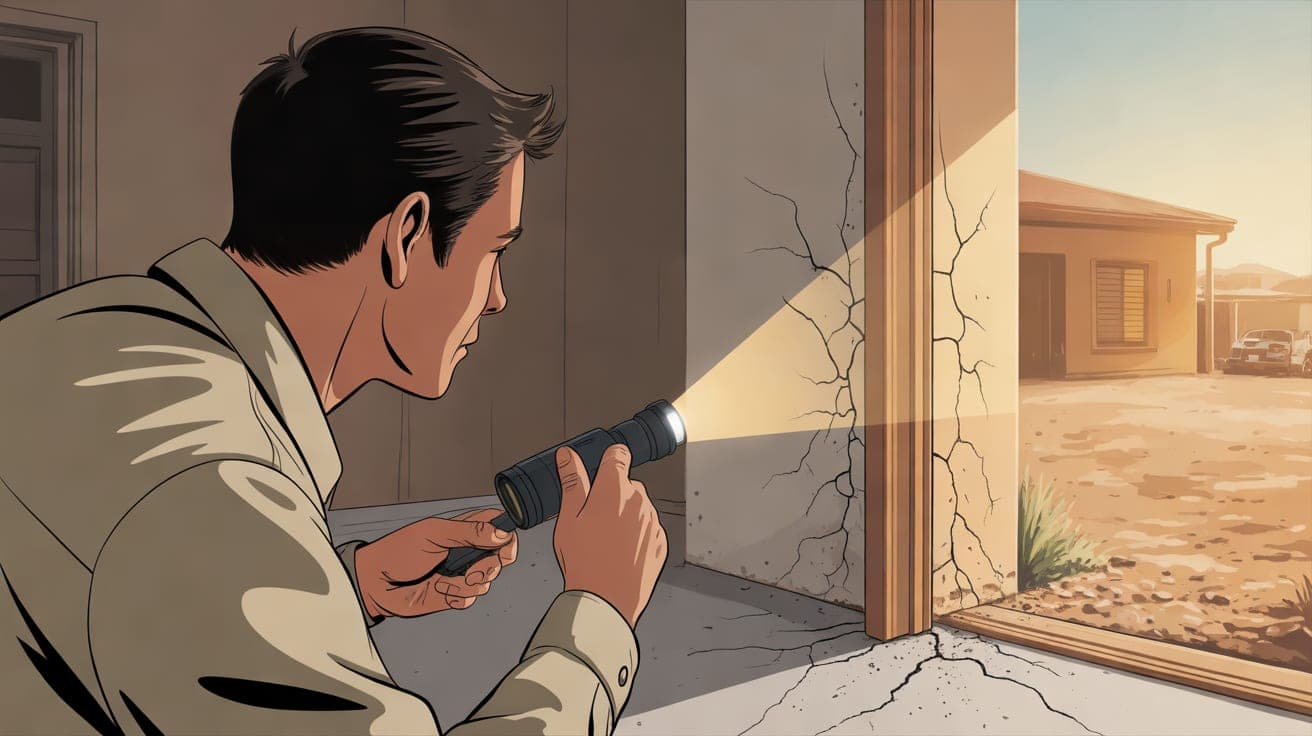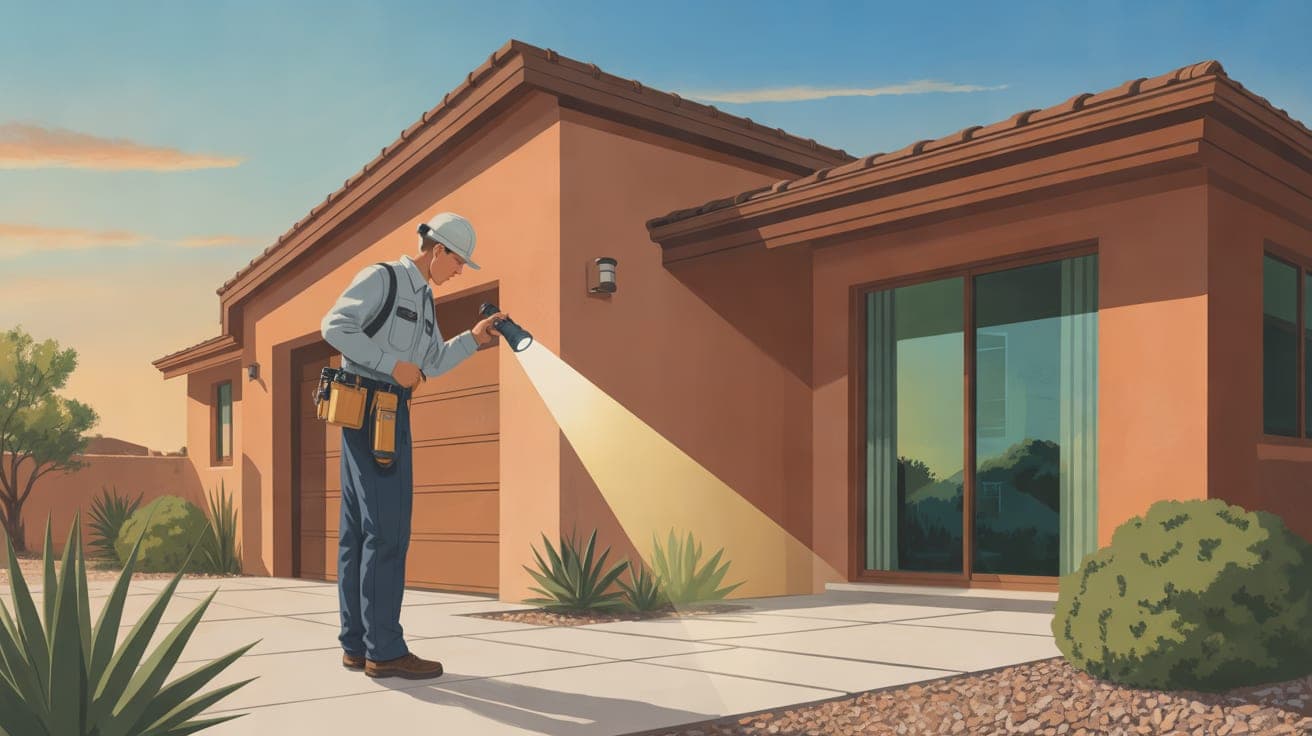
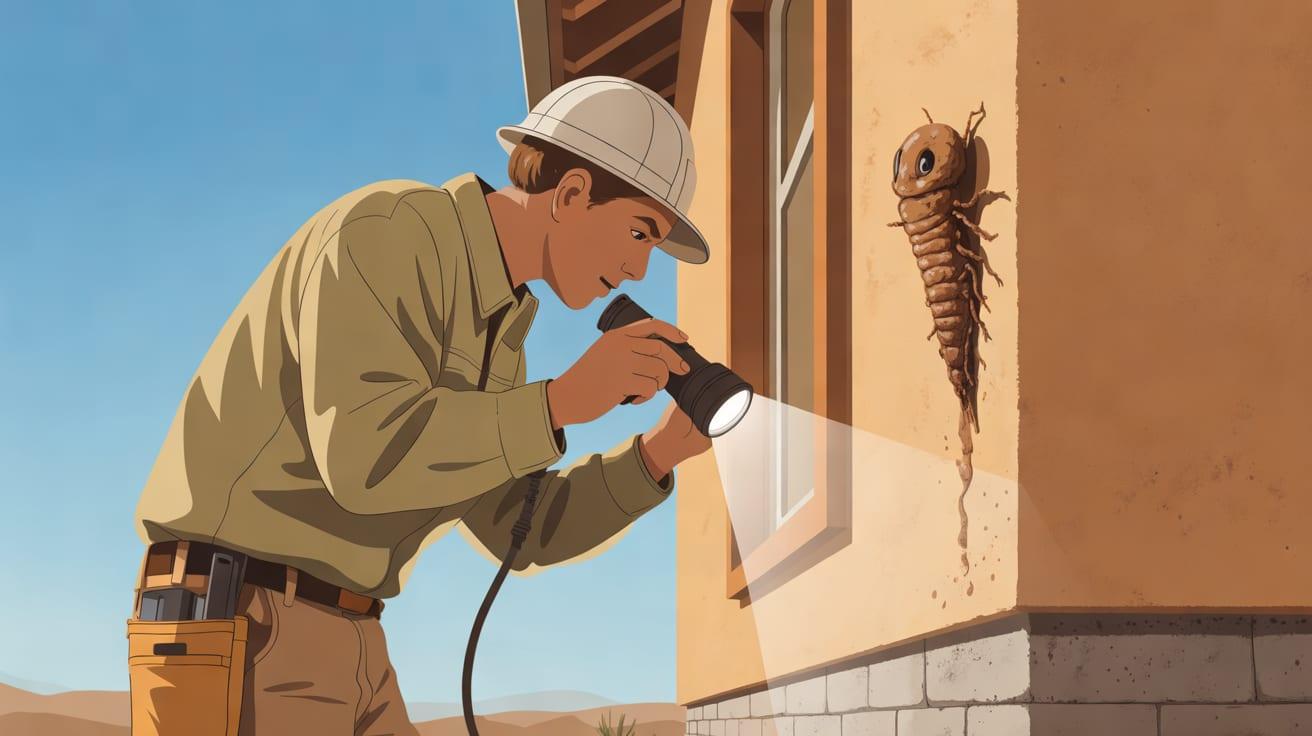
When you're buying a home here in Arizona, the paperwork can feel overwhelming. But understanding your WDIIR (AZ Termite Inspection Report) is important. Section 8 of the report has several important check boxes. If Box 8A is checked then it is considered a 'DIRTY' termite report - meaning termite evidence was found. If ANY termite evidence is found (tubes, stains, pinholes, damage) then the inspector must check box 8A. If Box 8B is checked then that is considered a 'CLEAN' termite report - meaning no termite evidence was found.
When termite evidence is found, get with the termite inspector to ask any questions and determine the best game plan to remediate the problem. We at First Inspection Termite & Pest will always provide a termite estimate / proposal to treat the home if we feel it necessary. Typically the buyer and seller will negotiate via their Realtor's to determine who pays for the termite treatment.
First Inspection Termite & Pest has been helping Valley neighbors navigate this process for years.
Table of contents
- What exactly do WDIIR inspection Box 8A vs Box 8B mean for your Arizona home purchase?
- What is Box 8A on an Arizona termite report?
- What constitute conducive conditions on a termite report?
- How do WDIIR inspection findings impact mortgage underwriting and escrow?
- How do common inspection observations compare across categories?
- How does First Inspection resolve active infestations and structural risks?
- Frequently asked questions
What exactly do WDIIR inspection Box 8A vs Box 8B mean for your Arizona home purchase?
Simply put: Box 8A = DIRTY - termite evidence found and Box 8B = CLEAN - no termite evidence found. You will never have both box 8A & 8B checked at the same time. If you have a dirty termite report then you want to figure out a game plan to deal with the termite evidence. First Inspection Termite & Pest will always provide a termite estimate / proposal to get rid of the termites and put the home under warranty. Termite evidence will usually need to be addressed and can postpone your close of escrow.
A Wood-Destroying Insect Inspection Report (WDIIR) is a standard form regulated by the Arizona Department of Agriculture. During a home sale, licensed inspectors use this form to document the presence of any wood destroying organisms such as subterranean termites, drywood termites, wood-boring beetles, and carpenter ants.
The state asks inspectors to divide their observations into two distinct categories. This helps everyone tell the difference between a house that is currently dealing with wood destroying organisms and a house that is just vulnerable because of its environment (conducive conditions). Understanding this distinction helps buyers understand termite issues vs conducive conditions and helps lenders feel comfortable financing the home. If you are scheduling a WDIIR report for an upcoming closing, knowing how to read these two sections lets you negotiate repairs fairly before your 10 day inspection window closes. We always recommend sitting down with your real estate agent to review the findings line by line so you know your exact next steps.
What is Box 8A on an Arizona termite report?
A Box 8A check simply means we've found evidence of wood-destroying insects or visible damage on the structure. This tells us that pests either ARE or WERE in the home.
Our inspectors look for a few specific things to classify under Section 1:
- Live subterranean termites crawling in the soil near the foundation.
- Active shelter tubes—those little mud tunnels termites build up the concrete stem wall to safely travel from the soil to the wood without drying out in our desert air. If we break the tube open & find active termites we will notate that on the report.
- Drywood termite fecal pellets, which look like tiny piles of hexagonal sawdust (like tiny footballs) near window & door frames.
- Hollowed-out baseboards, crushed drywall paper, or severely damaged fascia boards. Even if we don't see LIVE bugs right then and there, this damage still must be notated on Section 1.
By definition, a 'dirty' termite report finding means the property possible needs professional help. You can't ignore these issues, as they directly threaten the home's bones. For anyone navigating a termite inspection for home purchase, a Box 8A mark means a licensed pest control company may need to perform a targeted treatment and issue a 'cleared termite report' before the sale can move forward. Lenders view these findings as a serious issue that must be fully resolved before they hand over the funds.
What constitute conducive conditions on a termite report?
Conducive conditions are structural or environmental quirks that don't currently have active pests, but they create a welcoming environment for termites. In our business, we call a "conducive condition" any physical property defect that gives wood-destroying organisms the moisture, food, or sheltered access they need to move in.
The most common Section 2 finding we see around the Phoenix metro area is earth-to-wood contact. When soil rests directly against wooden siding, trim, or support posts, subterranean termites can sneak into the wood without building visible mud tubes. Faulty grading is another frequent offender. If the yard slopes toward the foundation rather than away from it, rainwater pools against the house, softening the soil and attracting thirsty termites deep underground.
Other common conditions include leaking plumbing fixtures, dripping air conditioning condensation lines, and heavy bushes growing right up against the exterior stucco. While these issues don't mean the house has termites right now, they act like a welcome mat. Fixing these environmental factors is an effective & preventative termite treatment Phoenix homeowners can do. By tweaking the environment, you reduce the risk and protect your family's investment for the long haul.

How do WDIIR inspection findings impact mortgage underwriting and escrow?
Lenders generally require the remedy of any termite issues to protect their investment, and some lenders, especially VA lenders, will require most conducive condition findings to be fixed. Mortgage underwriters view active termite infestations as a direct threat to the home's value, and they usually won't release funds until the threat is taken care of.
If you're using a VA or FHA loan, the guidelines are pretty strict. The lender won't fund the mortgage until a licensed pest control operator completes a proper treatment for all termite findings. Conventional lenders usually follow this same path. The seller typically takes on the financial burden of termite repairs to keep the deal moving.
Conducive condition findings offer a lot more wiggle room during escrow. Conventional lenders rarely force you to fix conducive conditions before closing. VA lenders on the other hand often require those conditions be fixed. Smart buyers use conducive condition findings during the inspection period to ask for seller concessions. For example, you might ask the seller to fix the grading around the back patio or hire a landscaper to trim heavy brush away from the foundation. Even if the seller says no and the loan still funds, we highly recommend addressing these risks after you move in. Ignoring conducive conditions is a surefire way to invite a future termites.
How do common inspection observations compare across categories?
Understanding how our inspectors categorize specific property defects helps you anticipate repair costs and escrow delays. The table below outlines how common issues are classified, how they impact your loan, and how we usually fix them.
| Inspection Observation | Finding Category | Immediate Action Required | Escrow Impact | Remediation Strategy |
|---|---|---|---|---|
| Live termites in mud tubes | Box 8A | Yes | Halts underwriting | Professional chemical barrier treatment |
| Damaged, hollowed roof fascia | Box 8A | Possibly | May Halt underwriting | Wood replacement and structural repair |
| Soil touching wood siding | Conducive Conditions | Recommended | Negotiable | Remove excess soil. |
| Leaking AC condensation line | Conducive Conditions | Recommended | Negotiable | Extend pipe away from foundation |
| Old termite tubes (no live bugs) | Box 8A | Possibly | May Halt underwriting | Treat area or verify prior treatment records |
How does First Inspection resolve active infestations and structural risks?
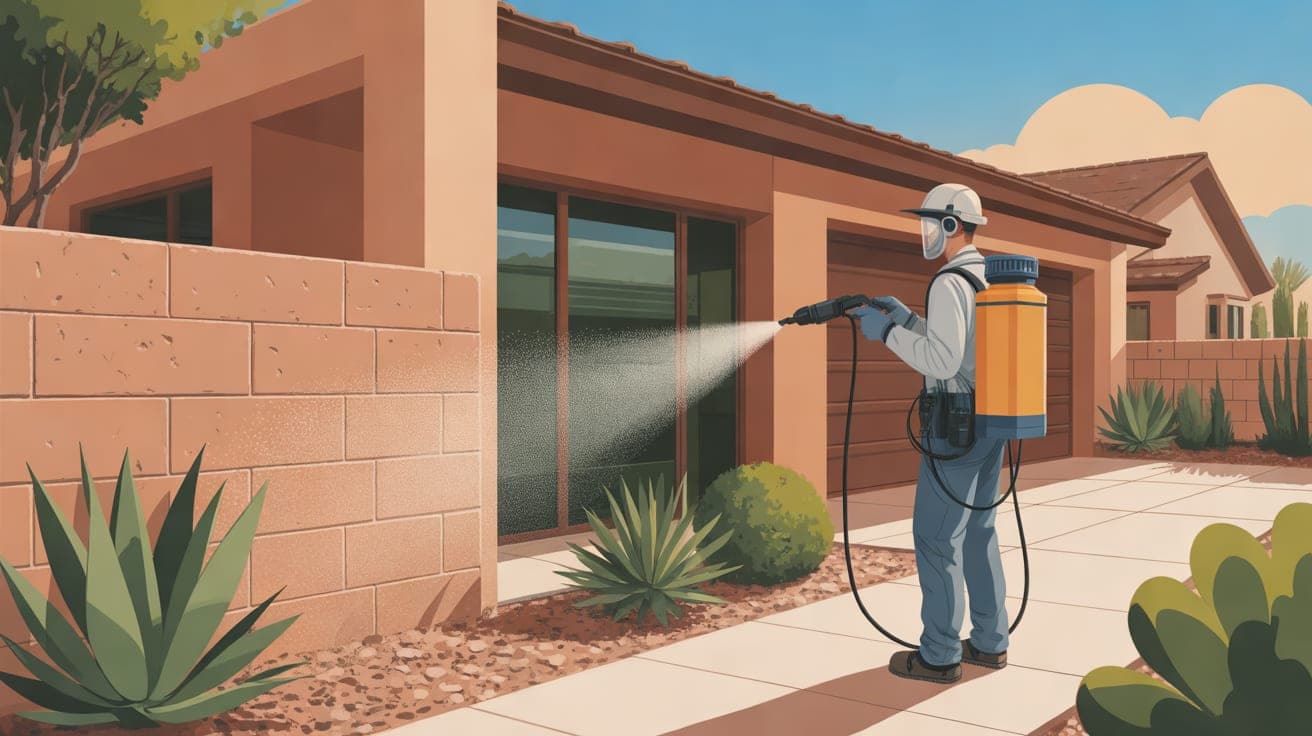
We eliminate active colonies and neutralize future threats with targeted, effective treatments, ensuring your property clears escrow and your family's new home remains protected.
At First Inspection termite and pest, our family-run team takes a comprehensive approach to termite control. We focus on treating the perimeter and all potential entry points to ensure subterranean termites lose their access routes from the deep soil to your home's framing.
When you invite us out to resolve a termite issue, we work quickly to keep your closing timeline on track. We'll provide the exact documentation, chemical usage logs, and clearance letters your mortgage underwriter needs. Because we stand behind our work with a 1 year service guarantee, buyers can move into their new homes with complete peace of mind, knowing the active threat is gone. That warranty is extendable each year too by paying a small termite renewal fee. This extends the warranty an additional year and we will also come out and inspect inside & out to get a 2nd set of eyes on the home.
Contact First Inspection Termite & Pest — (480) 778-1480 or email Office@firstinspection.com to schedule your comprehensive real estate termite inspection or request immediate help for an active WDIIR finding today. We're here to help our Phoenix neighbors!
Frequently asked questions
Who pays for termite repairs in Arizona?
The seller typically pays for termite treatments and repairs in Arizona, though this is always negotiable within your real estate purchase contract. Buyers almost always ask sellers to clear active infestations before the final walkthrough.
Will a conducive condition finding stop an FHA or VA loan?
A conducive condition finding rarely stops a conventional loan, but strict government-backed mortgages like VA and FHA loans often require sellers to correct conducive conditions—heavy earth-to-wood contact or faulty grade —before funding the loan.
How long is a WDIIR report valid in Arizona?
A WDIIR report is legally valid for ONLY 1 DAY from the date of the initial inspection. This may be surprising but due to the 'nature of the beast' (termites are active 24/7) this is true. Most lenders consider the report valid for 30 days which lines up nicely with the typical escrow period for residential real estate, ensuring the lender gets an accurate snapshot of the property's current condition.
Can a buyer waive a termite inspection if paying cash?
Cash buyers can legally waive a termite inspection, but doing so means taking on total financial responsibility for any hidden structural damage or active infestations. As a local pest control family, we highly discourage skipping this inspection, even if a lender isn't requiring one.
What happens if old, inactive termite evidence is found?
Old, inactive termite evidence can be tricky to deal with. How do you know if a termite tube stain is old or new? How do you know the tube wasn't nefariously or accidentally wiped off recently by the homeowner? We have seen homeowners spraying off termite tubes with a hose as we pull up to inspect the home. This may or may not have been deliberate. Many people don't know what termite tubes are or look like. The lender will usually ask for proof of a previous treatment or warranty or if that is not available you may need to treat that area or the entire home again for peace of mind.