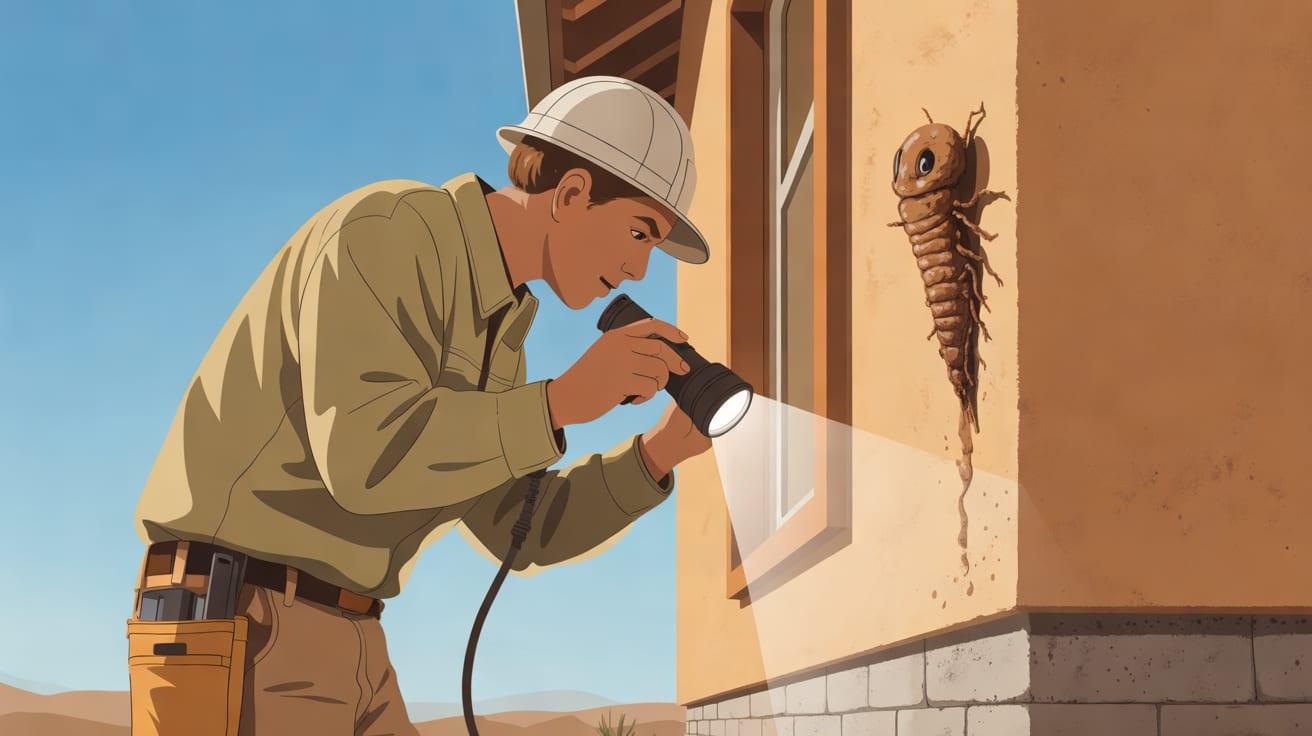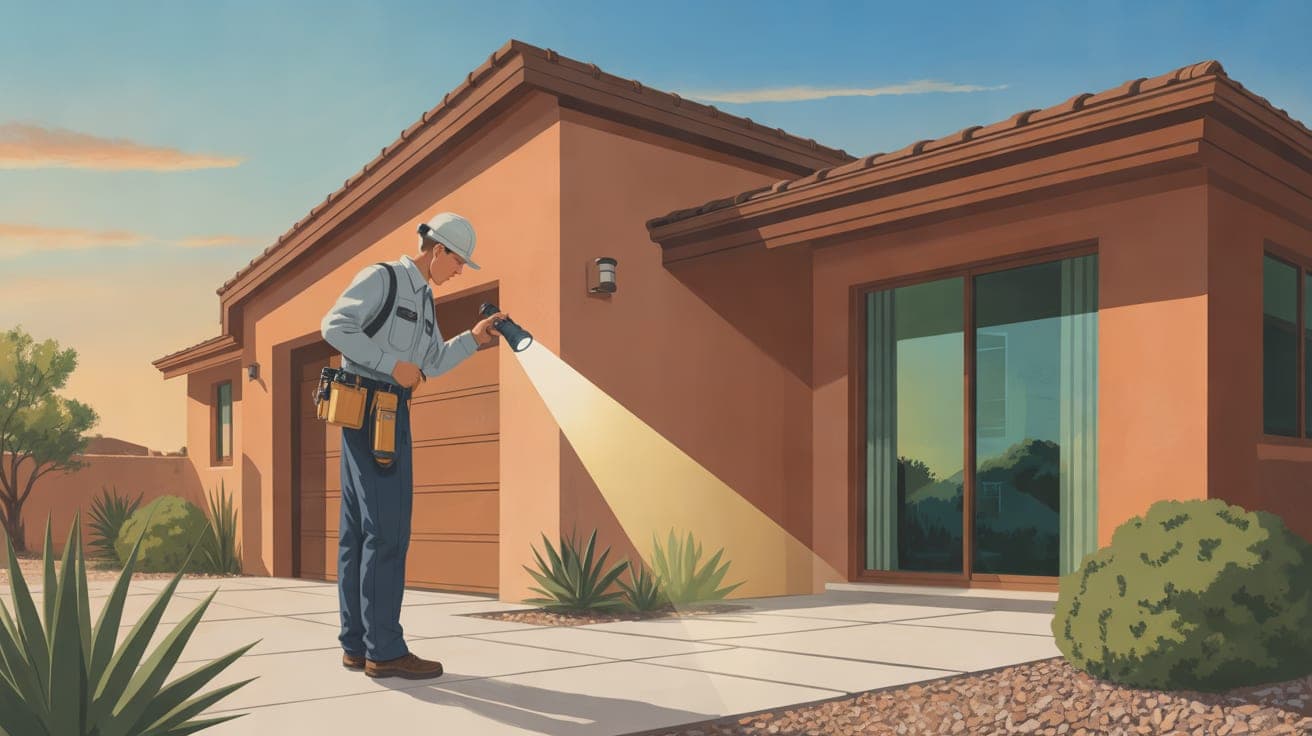
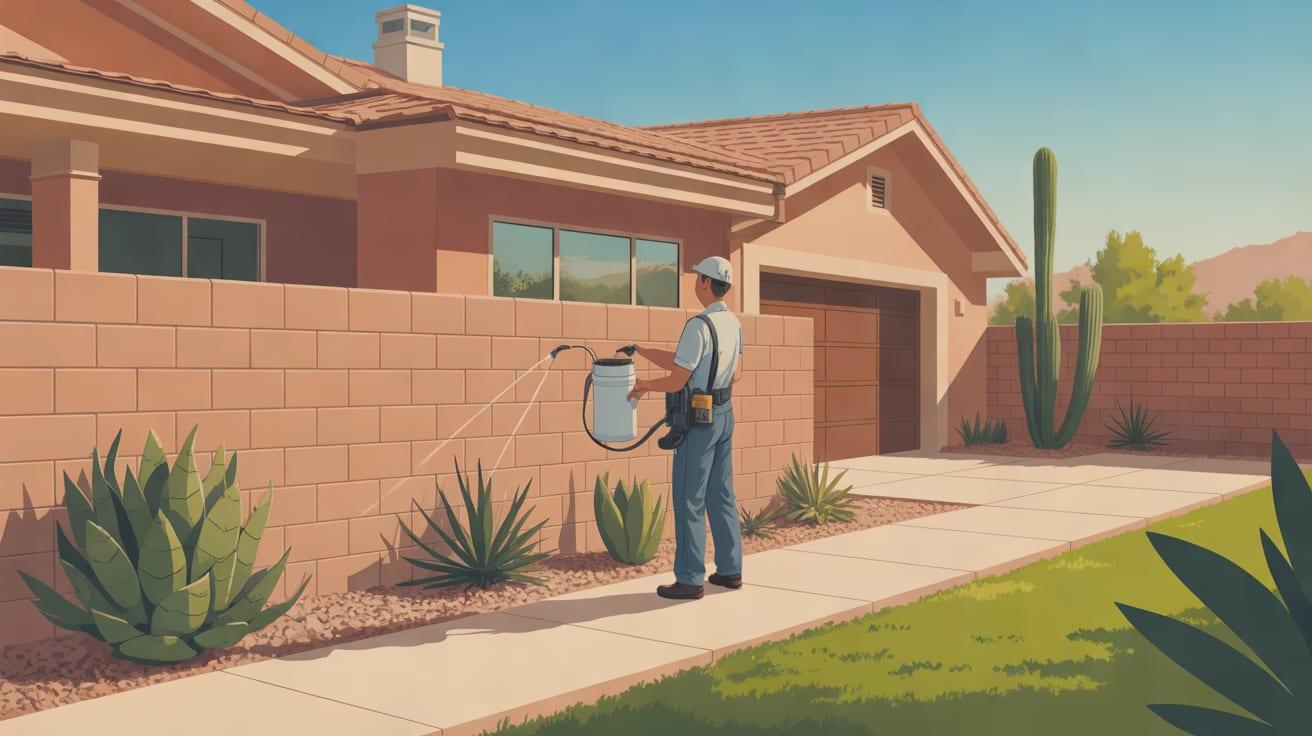
First Inspection Termite & Pest provides transparent pest control rates across the Phoenix metro area, with standard recurring services typically ranging from $49 to $139 per service depending on monthly, bi-monthly or quarterly frequency. Your exact costs depend on property size, infestation severity, type of pest and whether you choose monthly, bi-monthly, or quarterly treatments for optimal desert protection.
Table of contents
- What factors impact local pest control rates in Arizona?
- How do one-time treatments compare to recurring pest control rates?
- What are the specialty pest control rates?
- How does the 4D Barrier Pest Defense System lower long-term costs?
- How much is commercial pest control compared to residential?
- Secure your property with guaranteed results
- Frequently asked questions
What factors impact local pest control rates in Arizona?
Local pest control rates in Arizona are driven primarily by your property's square footage, the specific pests present, and the frequency of your service schedule. For example, a home in the Valley facing a severe bark scorpion infestation requires a significantly different intervention level than a property simply needing routine preventative maintenance against common ants and spiders.
Your property size directly dictates the total volume of product required and the amount of time our technicians spend on site. While pest control rates per square foot generally decrease as the home gets larger, the overall total cost naturally increases.
Furthermore, the physical environment immediately surrounding your home also plays a critical role in pricing. Properties backing up to open desert washes, golf courses, or agricultural land consistently face much higher pest pressures. Frequent irrigation, dense landscaping, and mature trees create ideal harborage areas for rodents and insects, which often requires more intensive, targeted applications. By thoroughly evaluating these variables upfront, we provide accurate pest control prices that reflect the exact needs of your property.
How do one-time treatments compare to recurring pest control rates?
Recurring pest control rates offer a lower cost per visit and better long-term protection, whereas one-time treatments carry a higher upfront fee for immediate interventions. Understanding the underlying chemical mechanisms behind modern pest control explains exactly why recurring plans are much more cost-effective.
Professional pest control products utilize advanced microencapsulated formulations. These microscopic capsules of active ingredients adhere tightly to the exterior surfaces of your home. However, the intense Arizona sun and extreme summer UV radiation degrade these protective barriers over 30 to 60 days. Once the chemical barrier breaks down, your home is vulnerable again.
A one-time service eliminates the immediate threat but leaves you exposed to inevitable re-infestation just a few months later. Recurring monthly, bi-monthly, or quarterly plans ensure fresh product is applied before the previous barrier fails. This continuous protection effectively breaks the breeding cycles of pests, preventing exponential population growth inside your walls.
| Service Frequency | Average Cost Structure | Pest Prevention Effectiveness | Ideal Customer Profile |
|---|---|---|---|
| One-Time Visit | Highest cost per visit. $99-$150 | Short-term (30-60 days) | Sudden, isolated issues (e.g., crickets) |
| Monthly Plan | Lowest cost per visit but higher annual costs. $49-69. | Maximum (Continuous barrier) | Only needed for severe infestations and when specific pests are heavily present. e.g. scorpions found in home |
| Bi-Monthly Plan | Moderate cost per visit but lower annual cost than monthly pc. $69-$89 | High (Reapplied before degradation) | MOST COMMON. Standard Phoenix homes needing consistent defense |
| Quarterly Plan | Highest cost per visit. $89-$139 | Moderate coverage. | Homes with low pest pressure |
What are the specialty pest control rates?
Specialty pest control rates require custom quoting because each situation is different. Specialty pests include - bee's, wasps, mosquito's, german cockroaches, ticks, fleas, termites, etc. Each of these resilient desert pests demand specialized chemical cocktails and different application methods. Standard perimeter sprays simply do not do anything to stop subterranean termites or bee's.
Termite control requires digging a trench along the base of your home and filling those trenches with specialized liquid termiticides. These termiticides bind to the soil, creating an uninterrupted, long-lasting subterranean defense zone. Because this process is labor-intensive and requires specialized equipment, pricing is calculated by the linear foot.
Scorpions require different pesticides. Bark scorpions have thick exoskeletons that naturally resist standard pesticides, and they can compress their bodies to fit through gaps as thin as a credit card. Effective scorpion control relies on the application of specialized microencapsulated products and pesticide dusts that adhere directly to the scorpion's underbelly. Other methods of scorpion control include Black Light Services where a technician scours a property and kills / removes and found scorpions. This helps reduce their population.
Because the scope of exclusion work varies these rates are determined after a thorough on-site evaluation.
How does the 4D Barrier Pest Defense System lower long-term costs?
The 4D Barrier Pest Defense System lowers long-term costs by stopping infestations outside before they reach the inside of your home. Reactive pest control—waiting until you actually see bugs inside your kitchen to call a technician—guarantees higher expenses and the necessity of more invasive interior treatments.
First Inspection Termite & Pest utilizes a highly proactive four-dimensional approach:
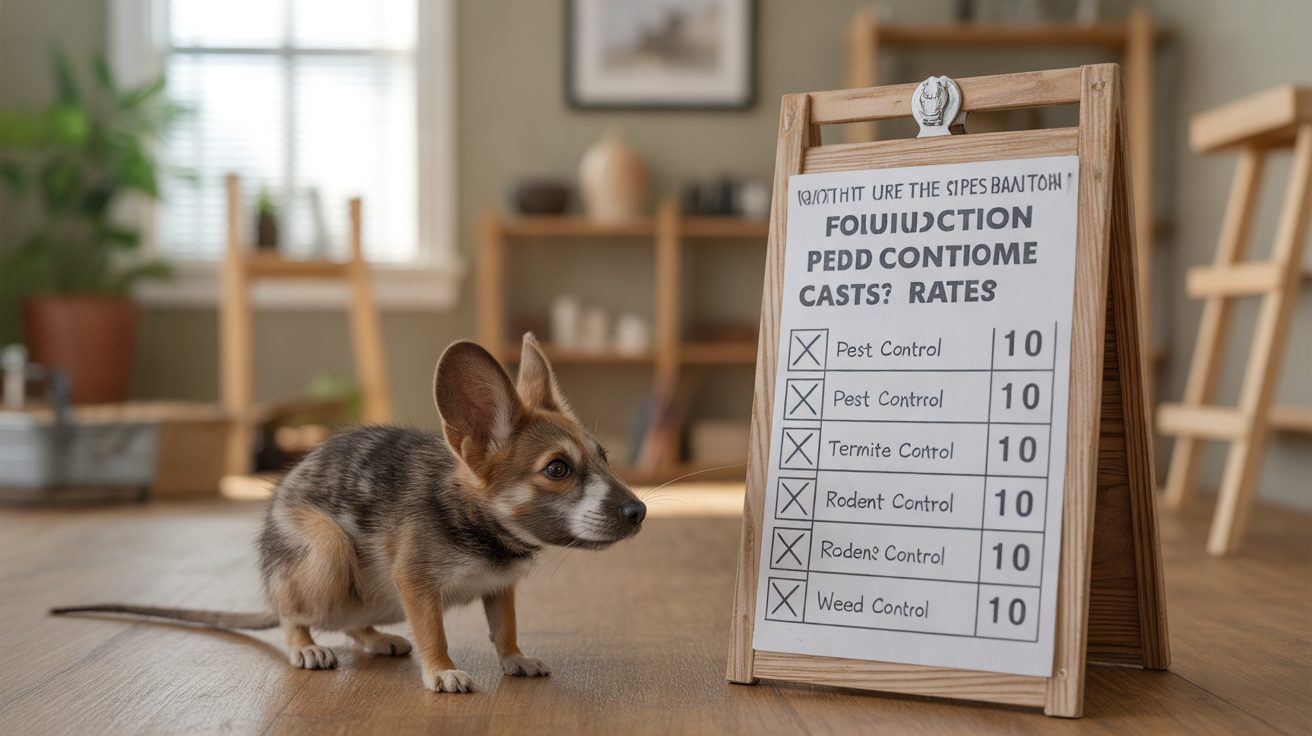
- Zone 1: The Property Perimeter. We treat block walls, fence lines, and the outer edges of your property. This intercepts pests migrating from neighboring yards or the open desert before they establish a foothold on your land.
- Zone 2: The Yard and Landscaping. We target decorative rocks, bushes, irrigation boxes, and woodpiles. These harborage areas are exactly where insects breed. Eliminating the nesting sites drastically reduces the overall pest population on your property.
- Zone 3: The Foundation and Eaves. We apply a continuous, microencapsulated band around the base of your home and eaves to prevent spiders and wasps from building nests. This serves as the final exterior shield.
- Zone 4: The Interior. By properly maintaining the first three zones, interior treatments are rarely necessary. When required, we treat rooms with water (kitchen, baths, laundry rooms) and all exterior doors. This is the most common areas for pests to hang out and enter into your home.
By investing in a consistent exterior defense, you avoid the need of having chemicals routinely sprayed inside your living spaces.
How much is commercial pest control compared to residential?
Commercial pest control rates are generally higher than residential plans because businesses require stricter compliance documentation, larger treatment areas, and specialized after-hours servicing. A restaurant, warehouse, or office building faces unique regulatory pressures that a standard single-family home simply does not.
Health departments and third-party auditors require meticulous record-keeping, including:
- detailed logs of all chemical usage,
- ongoing trend analysis of pest activity, and
- precise maps of bait station placements.
Commercial facilities also experience higher daily foot traffic and frequent deliveries, which constantly introduce new pests into the indoor environment. Effective commercial pest control Phoenix relies on advanced techniques like bioremediation for commercial drains, industrial fly light installations, and heavy-duty rodent exclusion.
Secure your property with guaranteed results
Protecting your home or business requires much more than a generic spray. You need a targeted, climate-specific strategy specifically designed for the unique challenges of the Arizona desert. Contact First Inspection Termite & Pest — (480) 778-1480 today to request a comprehensive property evaluation and discover exactly how our 4D Barrier Pest Defense System provides superior protection backed by a 30-day service guarantee.
Frequently asked questions
What does pest control actually do?
Professional pest control breaks the breeding cycle of insects and rodents using targeted physical barriers, exclusion techniques, and microencapsulated chemical applications. Rather than just killing visible bugs, it alters the environment to prevent nesting, thereby protecting your property from structural damage and mitigating health risks associated with pest-borne pathogens.
How much do national companies charge?
Large national corporate brands typically charge between $70 and $150 per month for standard residential plans, often requiring rigid annual contracts and charging premium initiation fees. Local Arizona providers generally offer more competitive pricing without the hidden corporate overhead, delivering better value through specialized desert pest knowledge.
How much does one time pest control usually cost?
One-time emergency visits for acute infestations typically cost between $129 and $300, depending on the specific pest species, the size of the property, and the required treatment methods.
What time of year is best for pest control?
Spring is the optimal time to establish a preventive pest barrier in Arizona, as rising temperatures trigger insect breeding cycles. However, because the desert climate remains warm enough to sustain pests like scorpions and termites year-round, consistent bi-monthly or quarterly maintenance is recommended for continuous protection.
How much is pest control service per month near me?
In the East Valley and greater Phoenix metro area, a standard monthly or bi-monthly pest control plan averages $49 to $69 per month. This baseline rate fluctuates based on your home's total square footage, the density of your landscaping, and whether you require specialty treatments for pests like termites or scorpions.